
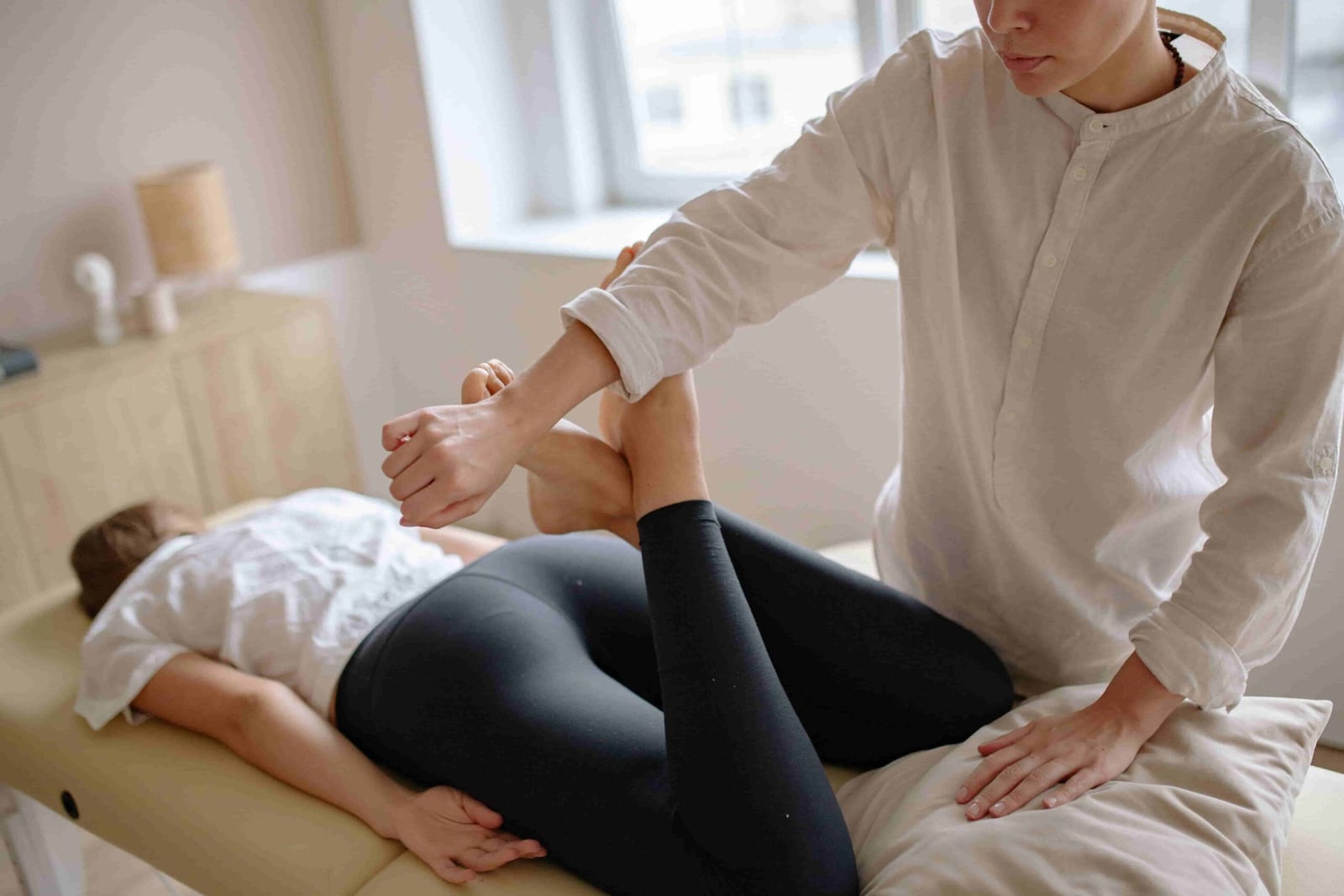
The best physiotherapy treatments for sciatica pain in North Vancouver usually combine manual therapy, targeted stretching, strengthening, and posture correction. For many people, the right plan also includes nerve mobility work and home exercises that reduce pressure on the sciatic nerve and help prevent flare-ups.
Why Sciatica Needs the Right Approach
Sciatica is not just ordinary lower back pain. It often causes pain that travels into the buttock, thigh, calf, or foot, which means treatment should address both the source of the irritation and the way your body moves. In North Vancouver, where hills, stairs, and active routines are part of daily life, sciatica can quickly interfere with walking, driving, and exercise.
A good physiotherapy plan should look at your posture, mobility, muscle strength, and daily habits. That helps identify whether the pain is coming from a tight lower back, irritated disc, weak core muscles, or movement patterns that keep loading the nerve.
Manual Therapy for Fast Relief
Manual therapy is one of the most helpful first steps for sciatica pain. A physiotherapist may use hands-on techniques to reduce stiffness in the lower back, hips, and surrounding muscles. This can make it easier to move and may reduce the pressure contributing to nerve irritation.
Common manual therapy methods include:
- Soft tissue release for tight glutes, hamstrings, and lower back muscles.
- Joint mobilisation to improve movement in the spine and hips.
- Trigger point work to ease local muscle tension that refers pain down the leg.
These treatments are often most effective when combined with exercise, not used alone.
Targeted Stretching and Mobility Work
Gentle stretching can help reduce sciatic nerve irritation when tight muscles are contributing to the problem. A physiotherapist may focus on the hips, hamstrings, and lower back to improve mobility without aggravating symptoms. The goal is to restore movement while keeping pain under control.
Useful mobility work often includes:
- Hamstring stretches.
- Piriformis stretches.
- Hip flexor mobility drills.
- Gentle lower back movement exercises.
The key is doing the right stretches for your specific cause of sciatica. Too much stretching too early can make symptoms worse, so guidance matters.
Strengthening the Core and Glutes
Weak core and glute muscles can increase strain on the lower back and make sciatica recur. Physiotherapy often includes strengthening work that improves stability and gives the spine better support. This is especially important for people who sit for long hours, lift at work, or stay active on North Shore trails.
Helpful strengthening exercises may include:
- Pelvic tilts.
- Bridges.
- Bird-dogs.
- Side-lying leg raises.
- Modified squats.
These exercises should be progressed carefully so the nerve is not irritated further.
Nerve Gliding and Movement Retraining
Some people with sciatica benefit from nerve gliding, also called nerve mobilisation. These exercises help the sciatic nerve move more freely through the tissues around it. They are gentle and usually done in a controlled way under physiotherapy guidance.
A physiotherapist may also retrain the way you sit, bend, walk, and lift. That matters because poor movement habits can keep compressing or irritating the nerve. Small changes in posture and mechanics can make a big difference in recovery.
When Physiotherapy Works Best
Physiotherapy is often the best choice when sciatica is linked to:
- A disc issue or lower back strain.
- Tight muscles in the hips or legs.
- Weakness in the core or glutes.
- Pain that gets worse with sitting, bending, or lifting.
It is also a smart option when you want a long-term solution instead of short-term symptom relief. The right program can help you return to daily activity with less fear of the pain coming back.
Why Local Care in North Vancouver Helps
North Vancouver residents often need treatment that fits an active, hilly lifestyle. A local physiotherapy plan can reflect the demands of stairs, walking, commuting, and outdoor recreation. That makes recovery more practical and easier to maintain.
Choosing a clinic that understands local routines can also improve consistency. When appointments are close to home, and follow-up is easy, people are more likely to stick with the plan and recover well.
What to remember
The best physiotherapy treatments for sciatica in North Vancouver usually combine manual therapy, stretching, strengthening, and movement retraining. The most effective plan is the one that matches the cause of your pain and helps you move more confidently again.
Book an appointment at Easy Allied Health
If sciatic pain is affecting your daily life, Easy Allied Health can help you find a treatment plan that works.
Visit Easy Allied Health at 3025 Lougheed Hwy #430, Coquitlam, BC V3B 6S2
Phone: 604-305-0037
Email: [email protected]
Book your appointment today and take the first step toward pain-free living.